
An Integrative Approach Centered on Emotions
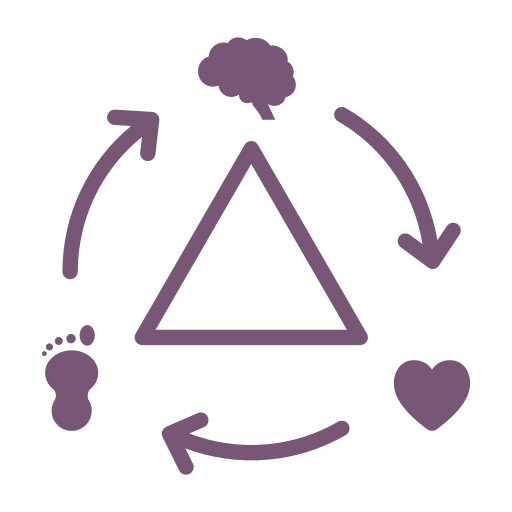
My practice is based on an integrative approach, with a foundation in Cognitive Behavioral Therapy (CBT).
Together, we aim to understand precisely what maintains a difficulty, how an emotional system has developed over time, and how to intervene in a concrete and tailored way.
I do not work in a strictly protocol-driven way.
The framework is structured, but the work adapts to your individuality.
Emotions at the Center
L’anxiété, la colère, la honte, la culpabilité ou la tristesse ne sont pas des défauts.
Anxiety, anger, shame, guilt, or sadness are not flaws.
They all serve a function.
What usually creates difficulty is not the emotion itself, but the way it is managed:
- avoidance
- over-control
- rumination
- over-adaptation
- withdrawal
The work focuses on:
differentiating thoughts, emotions, and reactions
understanding what gets triggered
restoring the capacity for emotional regulation
An emotion that is understood becomes more flexible and easier to regulate.
Understanding Repetition
Some reactions can feel disproportionate or automatic.
You may know that the present situation does not fully justify the intensity of the reaction, yet the same pattern keeps returning.
I integrate tools from Schema Therapy and the Internal Family Systems (IFS) model to explore:
- which internal parts become activated
- which fears are being touched
- which emotional needs may have remained unmet
This allows deeper work while maintaining the structured framework of CBT.Cela permet un travail en profondeur, sans perdre la structure des TCC.
Imagery Work and Emotional Bridging
When rational understanding is not enough, techniques such as guided imagery or therapeutic hypnosis may be used.
The goal is not to relive the past in a raw way.
Rather, it is to understand how certain emotional patterns were formed.
This work may involve:
- supporting emotional experiences in the present moment
- identifying needs that were not sufficiently recognized
- working with the vulnerable part involved
The aim is for this part not to remain frozen in a past situation.
It can gradually update itself in the present, supported by a more stable and regulated inner position.
The Body and Emotional Regulation
Emotions are also physiological.
When the nervous system is in a state of hyperactivation, reflective thinking becomes difficult.
Therapy may include:
- emotional regulation tools
- behavioral exercises
- mindfulness when appropriate
Meditation may also be used as a tool for stabilization and psychological distance from thoughts.
Art, Image, and Shifting Perspective
I am also a photographer and graphic designer, and working with images influences the way I accompany people.
Photography teaches us to observe without interpreting too quickly, to work with light and shadow, and to accept what appears.
In therapy, changing perspective often transforms an experience more deeply than explanations alone.
When it fits your way of functioning, creative methods may be used to support emotional processing.
A Structured and Living Therapy
The framework is clear.
But the work itself is not rigid.
We move forward based on what emerges during sessions.
Sometimes what was planned evolves.
We work with what actually becomes activated.
The aim is a lasting change in how you understand, experience, and regulate your emotions.
Professional Commitment
I am engaged in:
- regular clinical supervision
- peer consultation groups
- ongoing professional training
These commitments ensure:
- a well-calibrated professional perspective
- continuous self-reflection
- updated clinical knowledge
- a high standard of clinical practice
I am a member of the Pi-Psy network, developed within the Brain Plasticity Laboratory (CNRS / ESPCI Paris), dedicated to the development and ongoing evolution of CBT practices.
This affiliation reflects a rigorous clinical practice informed by current research in clinical psychology and neuroscience.
If you would like to better understand your internal functioning and work on it in depth, you are welcome to schedule an appointment.